Article by Samaria Garrett, MS, RDN
When many people think about sustainable living, they picture reusable containers, organic grocery stores or carefully curated kitchens. Sustainability is often presented as something to purchase or lifestyle defined by products and aesthetics.
But long before sustainability became a buzzword, many communities were already living it.
Across the South, sustainability was built on resourcefulness, stewardship and making full use of what the land provided. Families preserved food, reused household items, grew gardens, raised livestock and minimized waste. These practices were not because it was trendy, but because it was essential. They created resilient food systems that supported both people and the environment.
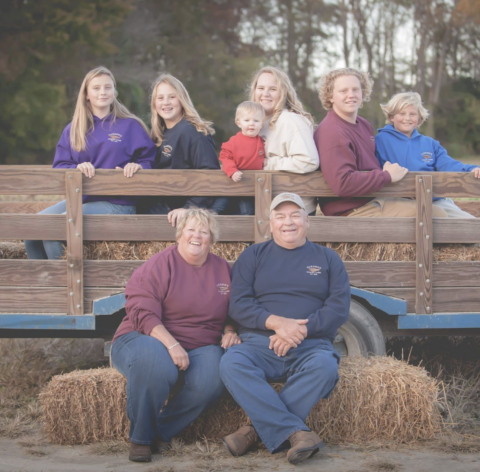
As a registered dietitian who grew up on a family farm, I didn’t initially recognize that many of the practices I learned growing up were examples of sustainability. It wasn’t until I began studying sustainable food systems that I realized my family had been practicing these principles all along. That realization inspired me to look more closely at how traditional agricultural knowledge can inform today’s conversations about nutrition and sustainability.
Few crops illustrate this connection better than the peanut.
A Legacy of Stewardship
When George Washington Carver joined Tuskegee Institute upon the invitation of Booker T. Washington, he faced a significant agricultural challenge. Years of continuous cotton production had depleted Southern soils, leaving farms less productive and threatening the livelihoods of many farming families.
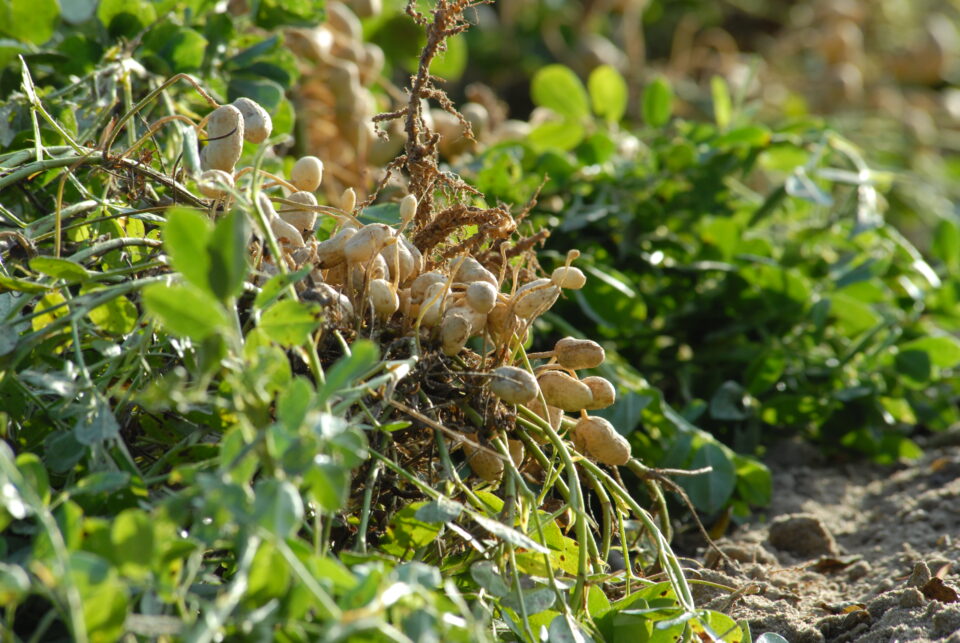
Carver understood that healthy communities begin with healthy soil. Rather than relying on a single cash crop, he promoted crop rotation, encouraging farmers to alternate cotton with legumes such as peanuts. Because peanuts naturally work with soil bacteria to fix nitrogen, they help replenish soil fertility while reducing the need for additional inputs.
His philosophy was simple, but profound:
“Whenever the soil is rich, the people flourish physically and economically. Whenever the soil is wasted, the people are wasted.”
Carver didn’t stop at teaching farmers how to grow peanuts. Recognizing that farmers also needed the crop to be profitable, he developed practical resources, including How to Grow the Peanut and 105 Ways of Preparing It for Human Consumption, which both demonstrated the crop’s remarkable versatility. His work reflected an early understanding of regenerative agriculture, where caring for the land and supporting community prosperity go hand in hand.
Traditional Sustainability in Practice
Many of the principles promoted in sustainable agriculture today have deep roots in traditional farming practices.
- A closed-loop system minimizes waste by allowing the outputs of one process to become inputs for another. On peanut farms, shells can be returned to the soil as mulch while peanut vines become valuable livestock feed. On many family farms, including my own, kitchen scraps are routinely fed to chickens or cattle, ensuring that very little goes to waste.
- These systems also depend on interdependence. Healthy agriculture recognizes that plants, animals, microorganisms, and people function as part of one connected ecosystem. Peanut plants rely on beneficial rhizobia bacteria living in the soil to convert nitrogen from the atmosphere into forms the plant can use. Without this partnership, nitrogen fixation would not occur.
- Traditional farming also embraces practices such as intercropping, where crops are grown together to improve soil health and reduce pest pressure. The well-known Three Sisters planting method – corn, beans, and squash – is one example of how crops can naturally support one another while improving productivity.
- Similarly, cover crops such as legumes, rye, or winter greens protect bare soil after harvest, reduce erosion, improve soil structure, and return nutrients to the land.
- Finally, traditional agriculture emphasizes whole-plant utilization. Every part of the peanut has value, from the edible kernel and nutritious oil to the skins, shells, and vines.
Together, these practices are guided by three longstanding principles: reciprocity by giving back to the land, resourcefulness by making full use of available resources, and resilience by building agricultural systems that can nourish both people and the environment for generations.
Peanuts in the Kitchen
The story of the peanut extends beyond the farm and into the kitchen. Introduced through West African foodways, peanuts became a staple across the South because they were affordable, versatile, and nourishing. Unlike crops that required extensive processing, peanuts could be boiled, roasted, or ground into pastes and stews, making them both a practical food source and an opportunity for supplemental income.
Traditional kitchens embraced the same resourcefulness seen in the field, preserving seasonal foods through canning, pickling, drying, and fermentation while making thoughtful use of every available ingredient.
These everyday practices minimized waste, stretched food resources, and reflected a deep understanding that sustainability begins with how we prepare and value our food.
Why It Still Matters Today
The peanut remains a powerful example of how nutrition and sustainability can work hand in hand. A one-ounce serving provides 7 grams of plant-based protein, 2.4 grams of fiber, good fats, and key nutrients like magnesium.
As a nitrogen-fixing legume, peanuts also help support soil health and generally require less water than many tree nuts, making them an environmentally efficient crop. From West African peanut stews to Latin American sauces and Asian-inspired dishes, its versatility demonstrates how one ingredient can nourish people across cultural traditions.
As we continue shaping more sustainable food systems, perhaps the greatest lesson isn’t learning something entirely new. It’s recognizing that many communities have practiced sustainability for generations. Sustainability isn’t something many cultures need to learn, it’s something we need to remember, reclaim, and reframe.