Adding Peanuts
Why peanuts
make your day
Peanuts may be small, but they are stacked. With 7 grams plant protein, 2.5 grams fiber, good fats and 30 essential vitamins and minerals, they help support heart health, gut health and a low glycemic index for steady energy that lasts.

Simple ways to add peanuts
Breakfast boosts
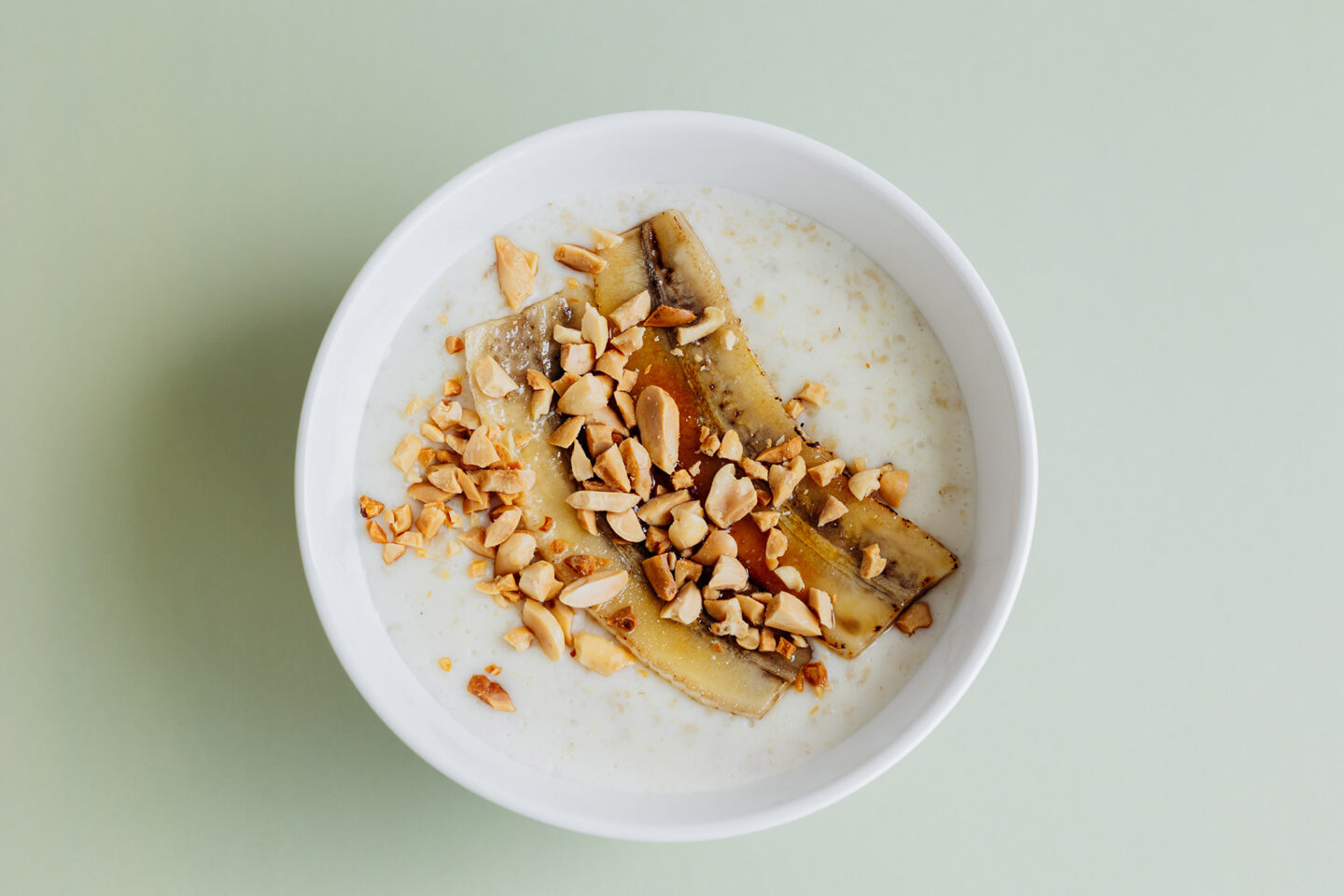
•Stir peanut butter into oatmeal.
•Add peanut butter to smoothies.
•Top yogurt with chopped peanuts.
Lunch upgrades
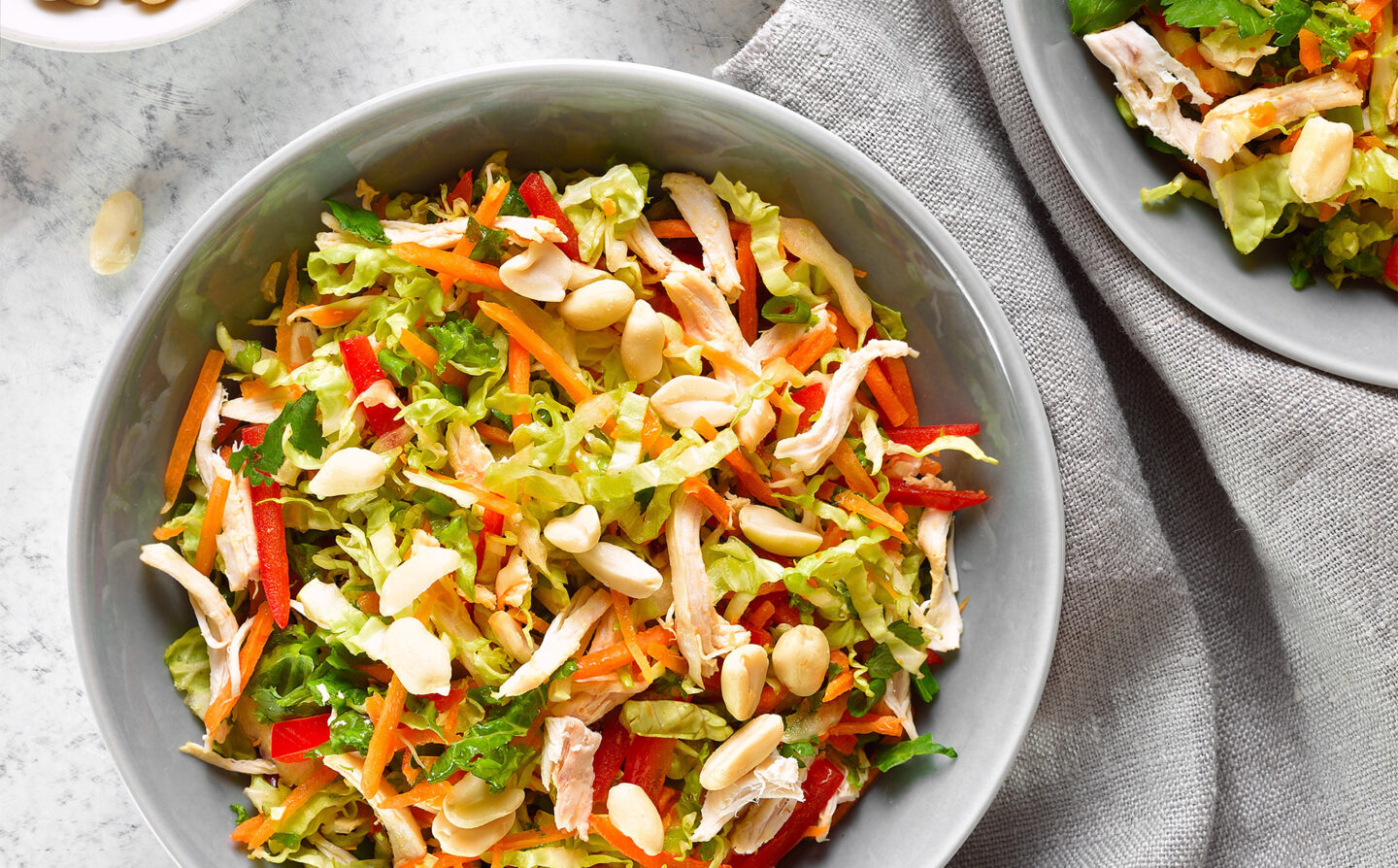
•Sprinkle roasted peanuts over salads.
•Garnish soups with chopped peanuts.
•Spread peanut butter on burgers.
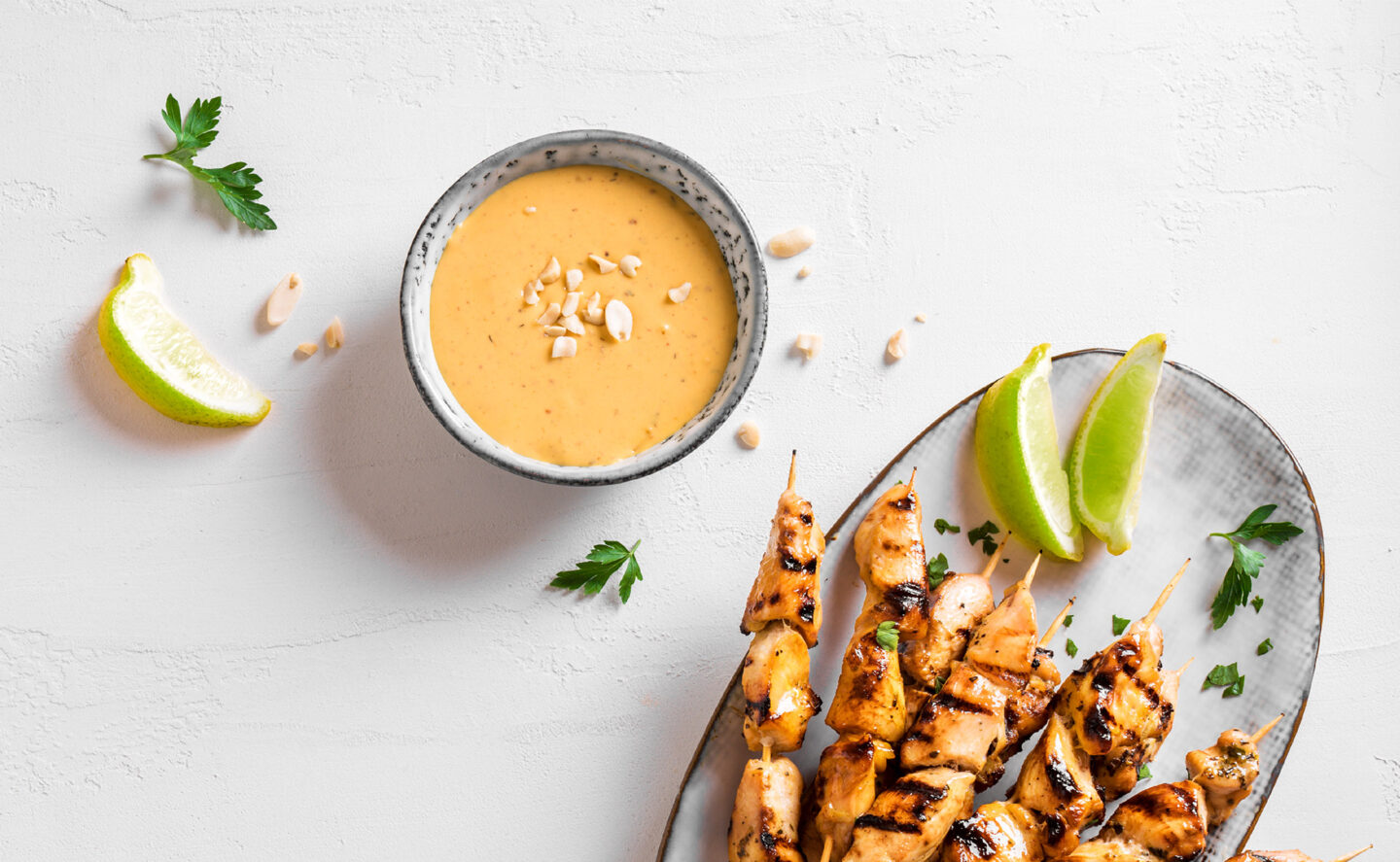
Dinner additions
•Add crushed peanuts to umami noodles.
•Make a peanut sauce for veggies.
•Use peanut flour to coat fish or meat.
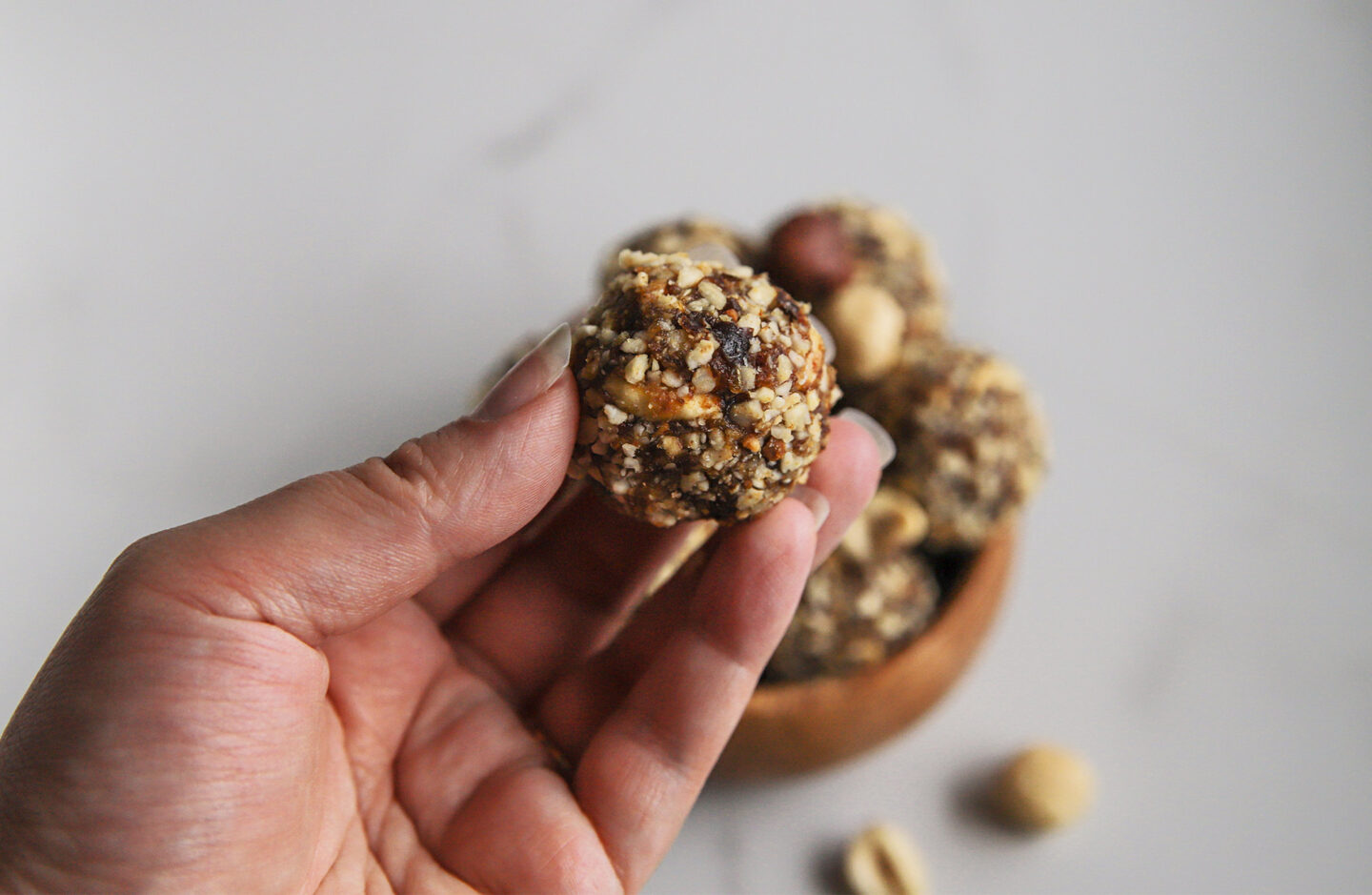
Snack enhancements
•Bake peanut butter into brownies or cookies.
•Stuff dates with peanut butter.
•Make energy balls with oats and peanut butter.
Snacking smarter starts here
Peanuts are the snack that shows up for you: crunchy, satisfying and doing way more for your body than you might expect. They are a good source of magnesium, containing 10% daily value per serving. Eating a varied diet and pairing peanuts or peanut butter with other sources of magnesium is a great way to meet the recommended daily allowance (RDA).
Peanuts have more protein than any nut (7g per serving), contain more than 30 essential vitamins and minerals, and are a source of fiber (2.5 grams) and good fats. One serving of dry-roasted peanuts (30 grams) contains 12 grams of unsaturated fat, only two grams of saturated fat and no trans fat.
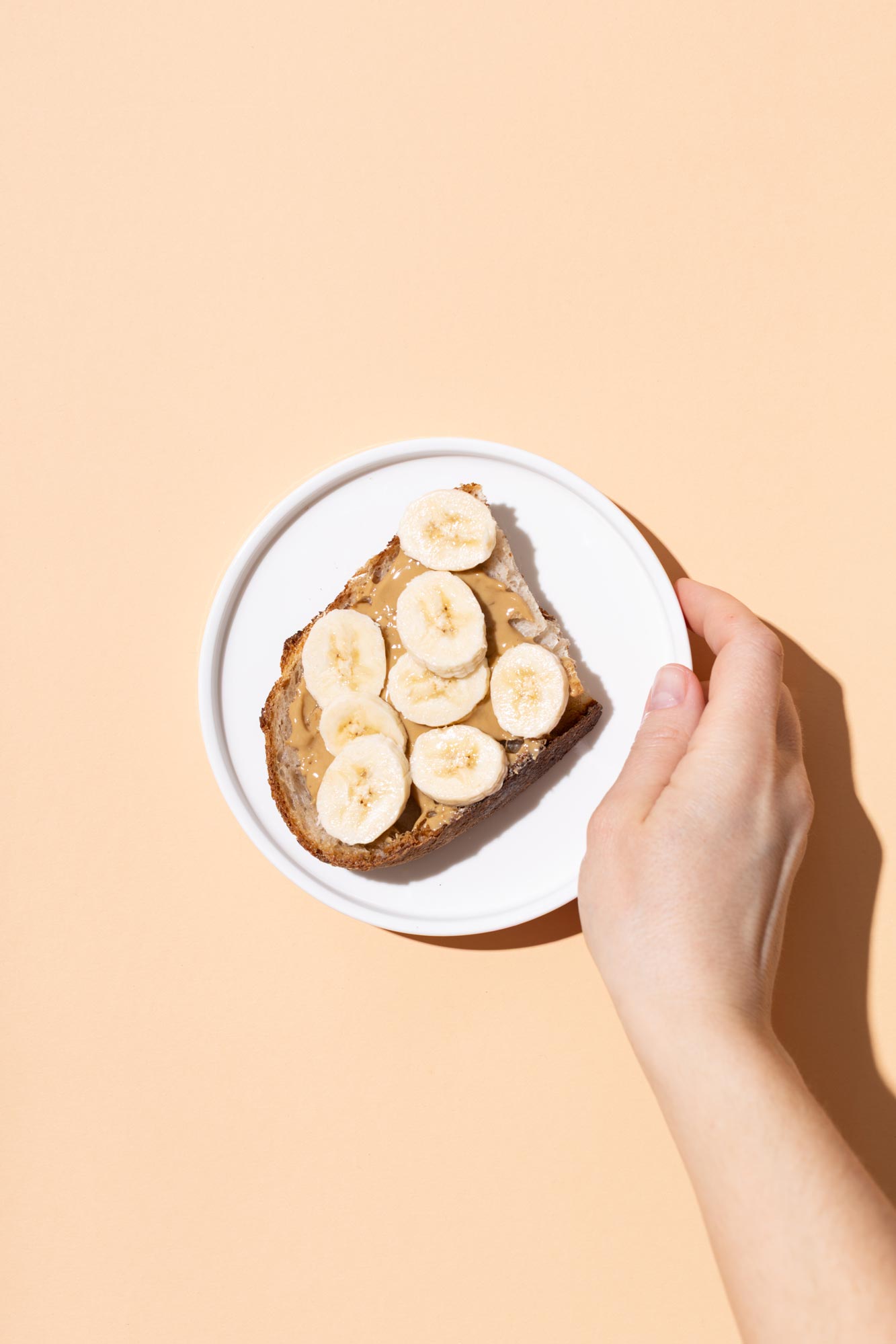
Recipes
Creamy. Crunchy.
Craveworthy.



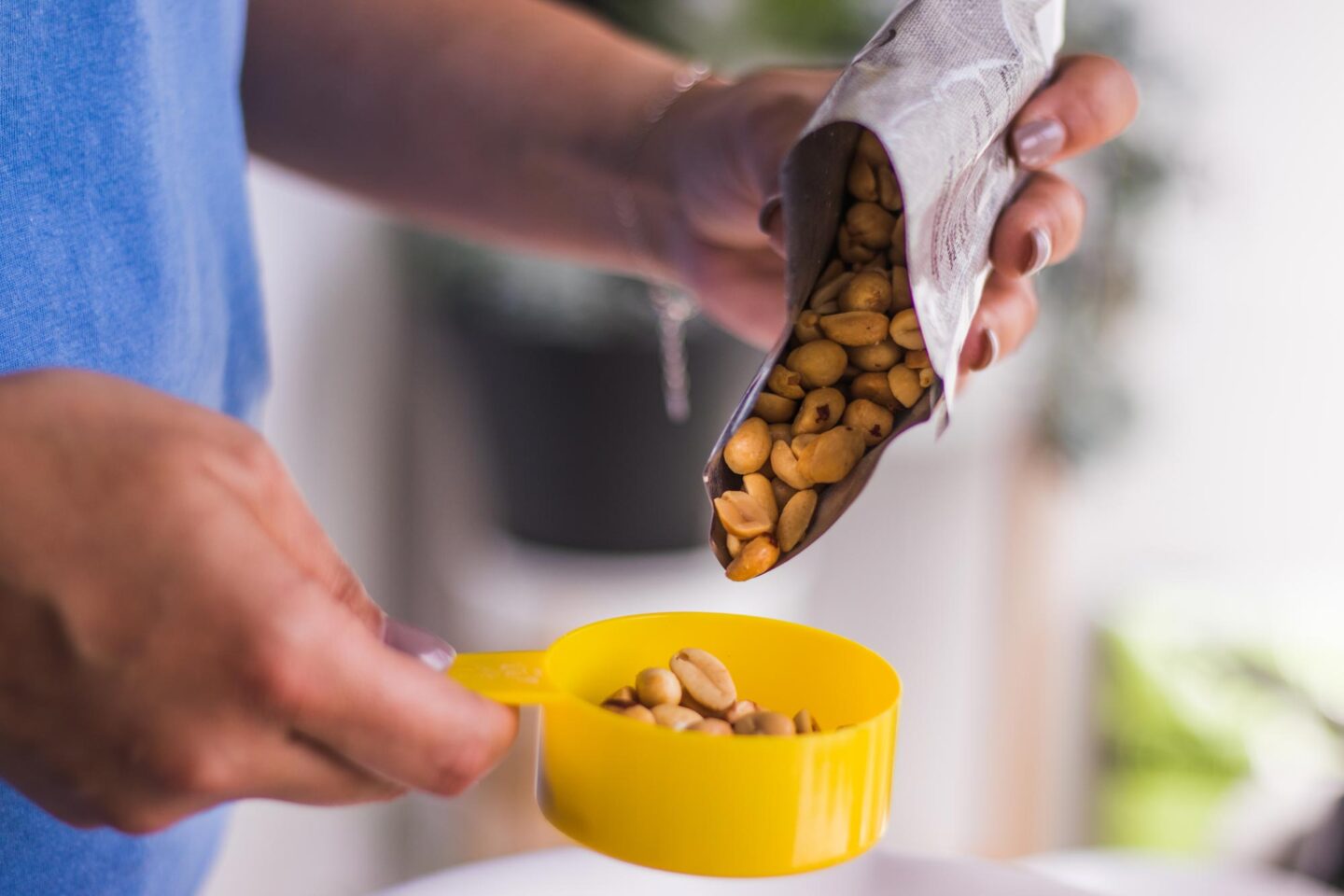
Cooking with peanuts
From cozy comfort foods to bold global flavors, these tiny powerhouses show up in dishes from cultures around the world — and even in some of today’s trendiest recipes. Whether you’re cooking for a crowd, packing a snack or trying something new, our recipes are full of tasty ways peanuts can fit deliciously into your everyday routine.