

Early Introduction & Prevention
Tiny bites.
Big deal.
Introducing peanut foods to your little one can be simple, easy and fun –– especially with the help of Little Peanut!
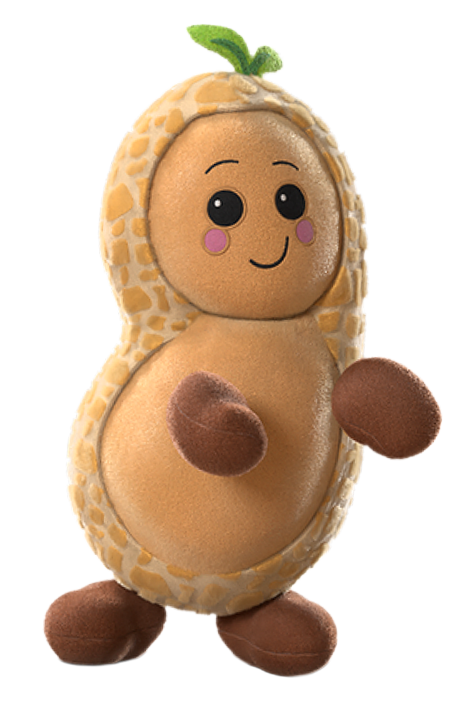
Meet Little Peanut
Little Peanut is on a mission to help families prevent peanut allergies.
What to know about early peanut introduction
Early and often are the keys to success. Feeding 2 oz. of baby-safe peanut-containing foods two to three times per week is optimal for risk reduction.
Whole nuts should not be given to children under 5 years of age due to choking risk. Also, do not give peanut butter from a spoon or in lumps/dollops to children under 4 years of age.
Little Peanut Tip
All babies may benefit from eating peanut foods in their first year, not just those with risk factors. It’s important to know the right path for your child, and it’s critical to get started early.
Five easy ways to introduce peanut foods
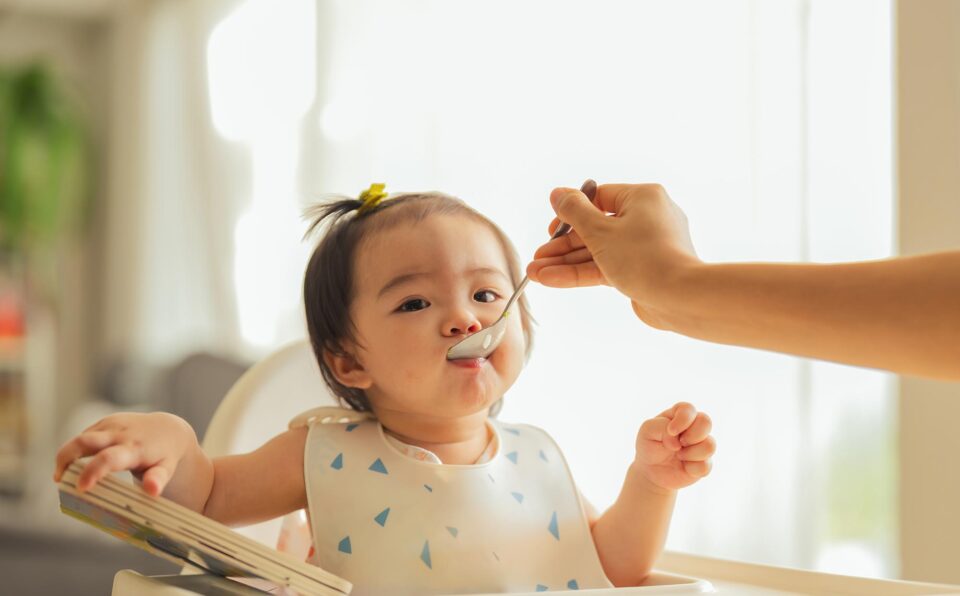
Thin with breast milk, water or formula:
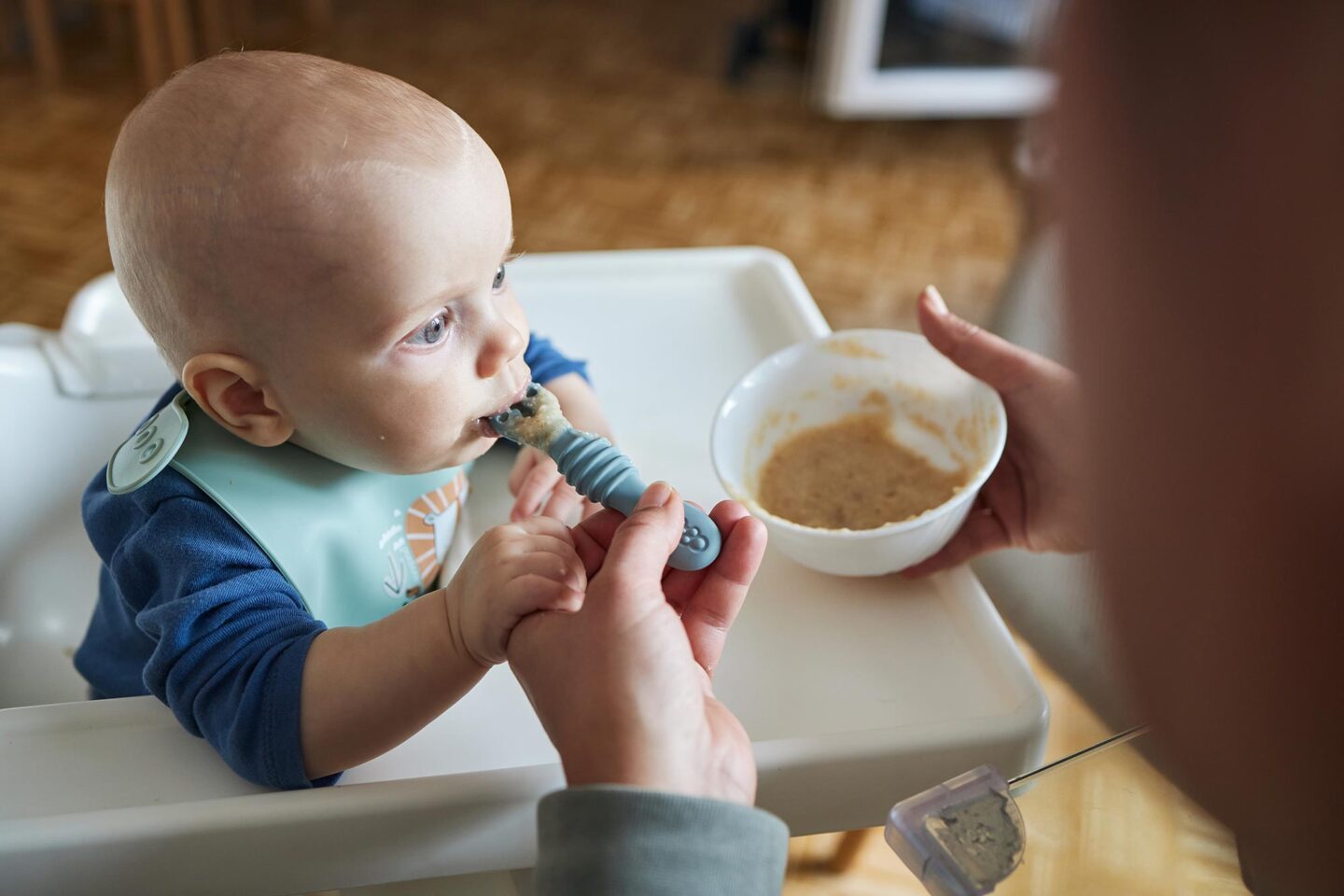
Thin 2 t. of peanut butter with 2-3 t. of breast milk, hot water or formula. Allow to cool before serving.

Mix with food:
Blend 2 t. of peanut butter into 2-3 T. of foods like infant cereal, applesauce, yogurt (if already eating dairy), pureed chicken or tofu.
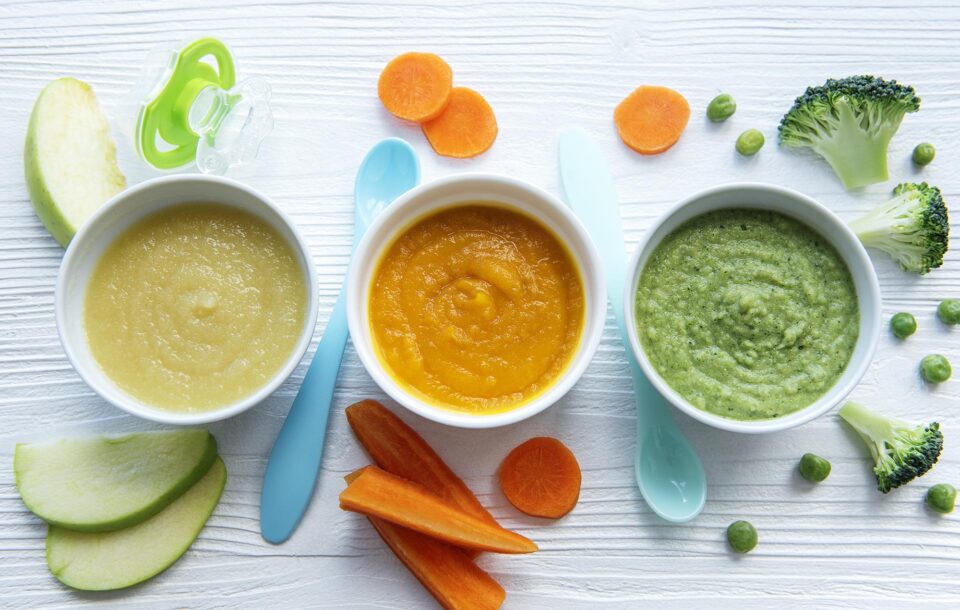
Mix with produce:
Stir 2 t. of powdered peanut butter into 2 T. of previously tolerated pureed fruits or vegetables.
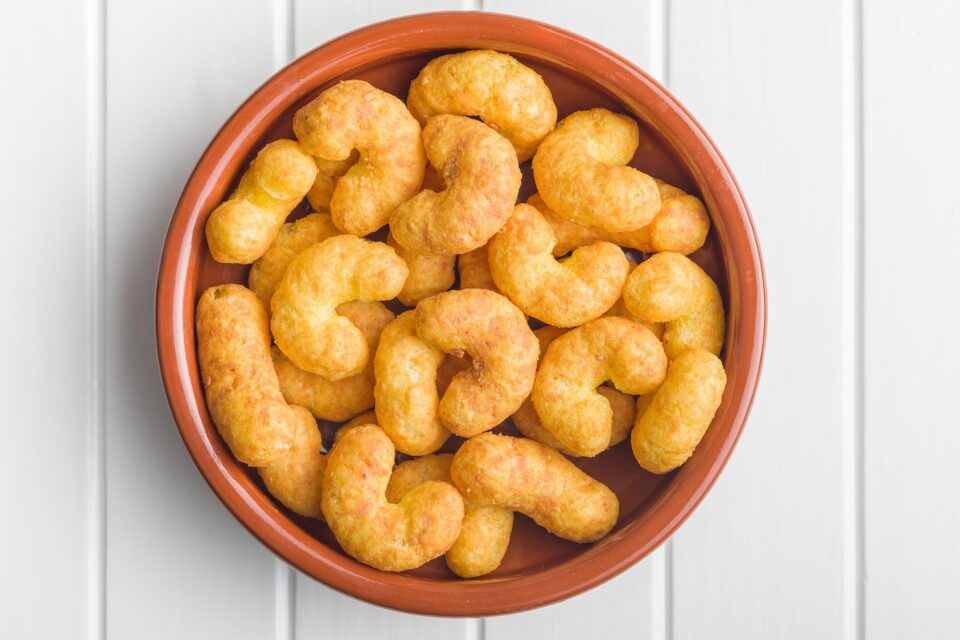
Peanut snacks:
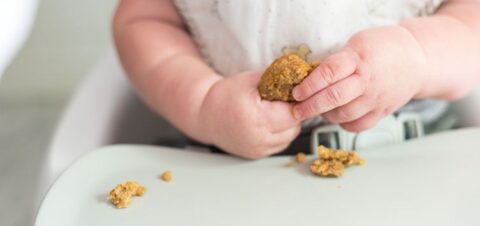
Give your baby a peanut-containing teething food, such as peanut puffs.

Teething biscuits:
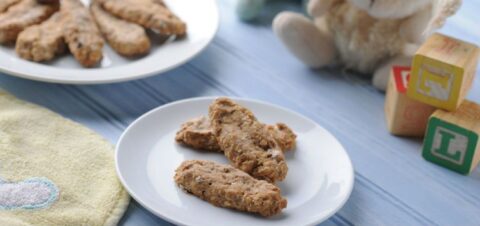
Teething infants who are older and self-feeding may enjoy homemade peanut butter teething biscuits.

How do we know it works?
In 2015, the Learning Early About Peanut Allergy (LEAP) Study — followed by LEAP-ON (2016) and LEAP-Trio (2024) — demonstrated that early introduction can reduce the risk of peanut allergy by up to 86% and provide protection from a peanut allergy into adolescence. Based on LEAP, NIAID released Addendum Guidelines in 2017. Today, the practice is encouraged by the American Academy of Pediatrics and the Dietary Guidelines for Americans, 2020-2025.
Little Peanut tip
Do not add peanut butter or peanut powder to a bottle. Always spoon-feed the mixture to prevent choking.
The evidence is clear: early peanut introduction can prevent up to 86% of peanut allergies from developing. In human terms, that means tens of thousands of children born each year — and their parents — can live every day free from worry about every bite of food.
Of course, prevention requires action. Fortunately, science-based guidelines, expert-developed tips and a variety of infant-friendly foods and recipes are available to help.
Whether you are a parent of a newborn, healthcare provider or other champion for infant health and nutrition, you have a role to play.
Allergy prevention videos
Recipes
Early introduction eats


Early introduction FAQs
Once peanut foods are introduced into the diet and tolerated, they should be kept in the diet on a regular basis ― 2g of peanut protein, three times per week ― to maintain a tolerance to peanut protein.1
[1] Addendum Guidelines for the Prevention of Peanut Allergy in the United States
Allergy symptoms usually develop within minutes of eating a food but can occur up to two hours after ingestion. 7,8,9 Allergy signs and symptoms can be mild, such as a new rash or a few hives around the mouth.7,8
More severe symptoms can include swelling of the lips, eyes or face; vomiting; widespread hives on the body; breathing symptoms such as repetitive cough, wheeze or any difficulty breathing; a change in skin color (pale, blue); or sudden tiredness/lethargy/seeming limp.7,8,9
If there are any concerns for more severe allergy symptoms, seek immediate medical attention/call 911.7,8,9
References
[7] Peanut Allergy: Symptoms, Reaction, and Treatment – WebMD
[8] Peanut allergy – Symptoms and causes – Mayo Clinic
[9] Peanut Allergy: Symptoms, Reaction, Tests & Treatment – Cleveland Clinic
- If your baby does not have severe eczema or egg allergy, you can introduce peanut foods into their diet when you introduce other solid foods (as long as it is in an age-appropriate way to avoid the risk of choking).1 If you have concerns or if your child has egg allergy or severe eczema, consult your pediatrician or other healthcare provider before proceeding.1
References
[1] Addendum Guidelines for the Prevention of Peanut Allergy in the United States
The Dietary Guidelines for Americans (2020-25) give priority to peanut and egg, but evidence supports introducing all potential allergens in the first year.2,6
References
[2] Dietary Guidelines for Americans, 2020-2025 and Online Materials
No; these recommendations will not prevent all babies from developing peanut allergies. However, according to the LEAP study, parents of children at risk for peanut allergies could reduce a baby’s chance of developing a peanut allergy by up to 86 percent by feeding them small amounts of peanut foods as early as 4-6 months of age.3,4
References
[3] New Results from LEAP-Trio Studies Unlock Additional Insights on Allergy Prevention
[4] Introducing peanut in infancy prevents peanut allergy into adolescence
- Early introduction guidelines for peanut allergy prevention are primarily based on the LEAP, LEAP-On and LEAP Trio studies.3,4,5 The LEAP study demonstrated introducing peanut products to infants at high risk for allergies significantly reduced the incidence of peanut allergy by age 5.3 The LEAP-On study confirmed this protection persisted even after a year of peanut avoidance.4
- The LEAP Trio study extended these findings, showing early peanut consumption continued to provide protection into adolescence, with a 71% reduction in peanut allergy rates.3,4 This comprehensive research underscores the long-term benefits of early allergen introduction for sustained allergy prevention.3,4
References
[3] New Results from LEAP-Trio Studies Unlock Additional Insights on Allergy Prevention
[4] Introducing peanut in infancy prevents peanut allergy into adolescence
[5] LEAP Trio | LEAP
- The National Institute of Allergy and Infectious Diseases (NIAID) and the Dietary Guidelines for Americans recommend introducing baby-friendly peanut foods to infants as early as 4-6 months of age, depending on their risk factors. Start after they have tried other solid foods and consider your family’s cultural practices. Continue feeding peanuts “early and often” — at least three times per week.
- Infants with severe eczema, an egg allergy, or both are at higher risk for developing a peanut allergy. Consult your child’s healthcare provider before introducing peanuts.1 Don’t delay, as the window for prevention is short and closes early. Most babies are not at high risk.1
Reference
[1] Addendum Guidelines for the Prevention of Peanut Allergy in the United States