Food Professionals – College & University
How peanuts power on-campus menus
Peanuts are a nutritious, affordable, and versatile ingredient that college students love. Yet, concerns about food allergies may lead to peanut bans in campus dining programs.
Research shows that effective allergen management—not exclusion—is the best way to ensure student safety while offering a diverse and inclusive menu. Experts, including the CDC and the American Academy of Allergy, Asthma & Immunology, recommend comprehensive allergen management strategies over outright bans.

How universities are successfully serving peanuts
Many universities are proving that peanuts can be part of a safe, inclusive, and student-approved menu through smart allergen management strategies.

Free guide to put peanuts on your menu
Managing food allergies in university settings requires a compassionate and evidence-based approach. Our step-by-step guide captures what’s working on campuses across the country, by combining proven protocols with ideas you can put into action.
Recipes
Campus friendly recipes
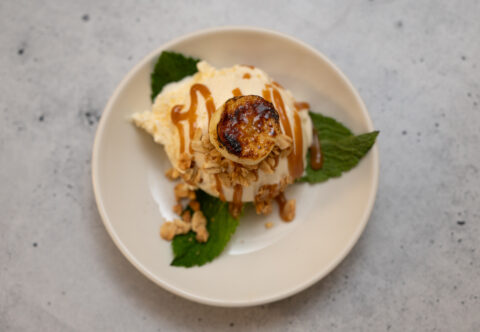
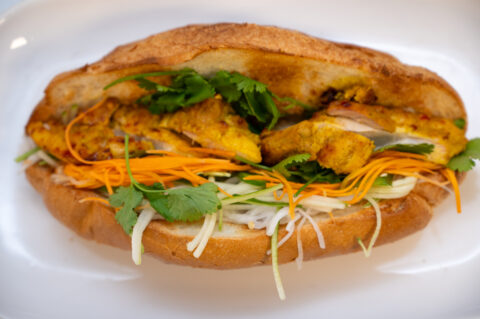
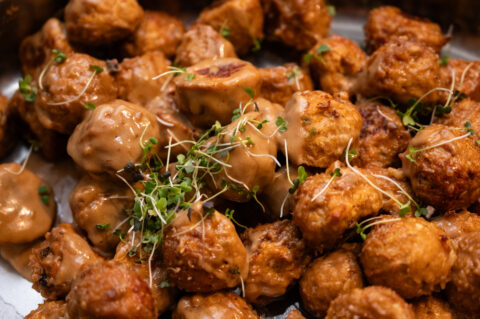
“We’ve safely served peanuts for decades by focusing on education, transparency, and proactive safety measures. Peanuts are not only a culinary staple, they’re a culturally diverse and nutritious ingredient our students want,” says Garett DiStefano, Director of Dining Services, University of Massachusetts Amherst.
Share your story
Tell us how you’ve successfully served peanuts on your campus!
College & University FAQs
The FDA classifies highly refined peanut oil as non-allergenic since the proteins that cause reactions are removed during processing.
Most food allergies are manageable.
Less than 1% of Americans have a peanut allergy, and overall food allergies affect only about 4% of adults.1
Reference
[1] NIAID Guidelines for the Diagnosis and Management of Food Allergies in the U.S.
Peanut-free environments still report allergic reactions, making training and awareness essential. In a study of 567 food allergy reactions in a Canadian pediatric cohort, 4.9% of reactions occurred in “peanut-free” schools compared to 3% in schools that allow peanut foods. Authors warned about a false sense of security when foods are banned.1
Reference
[1] Cherkaoui S., B. M. (2015). Accidental exposures to peanut in a large cohort of Canadian children with peanut allergy. Clinical and Translational Allergy.
- Comprehensive Training: Ensure dining staff are trained in food allergy protocols, including cross-contact prevention and emergency response.
- Clear Menu Labeling: Clearly identify allergens on menus, online platforms, and digital signage.
- Dedicated Allergen-Safe Prep Areas: Use separate prep areas and utensils for allergen-free meals.
- Open Communication: Encourage students to self-identify their allergies and provide clear pathways for them to request accommodation. Explore our guide to easing student anxiety and improving allergen literacy—with downloadable email templates to help you communicate proactively.
- Emergency Preparedness: Have stock epinephrine available if allowed in your state and ensure staff are trained to administer it in case of an allergic reaction.
- Banning peanuts from schools does not reduce the risk of food allergy reactions.
- Food bans take the focus off education and on enforcement. Being “allergen-free” gives a false sense of security. Allergic children and school officials can become lax about the precautions needed, potentially increasing the risk for allergic reactions.
In a study of 567 food allergy reactions in a Canadian pediatric cohort, 4.9% of reactions occurred in “peanut-free” schools compared to 3% in schools that allow peanut foods. The study authors warned about a false sense of security when foods are banned.1 - Banning peanuts does not reduce the use of epinephrine in schools. According to a study of schools in Massachusetts, schools with policies that restricted peanut foods from being brought from home, served in the school cafeteria or consumed in the classroom did not reduce the use of epinephrine to treat food allergy reactions compared to schools that did not have peanut-free policies.2
References
[1] Cherkaoui S., B. M. (2015). Accidental exposures to peanut in a large cohort of Canadian children with peanut allergy. Clinical and Translational Allergy.
[2] Bartnikas L., H. M. (2017). Impact of school peanut-free policies on epinephrine administration. J Allergy Clin Immunol, 467-473.
- A study of 30 peanut allergic children who smelled peanut butter for 10 minutes resulted in zero reactions. Skin contact in this study also resulted in zero life-threatening reactions; redness and irritation occurred for some where the peanut butter touched the skin.1
- Further research found washing hands with soap and water, and using common household cleaners on surfaces, can remove peanut proteins to mitigate cross contact.2
- More recently, allergists documented their practices of placing peanut butter in close proximity to peanut allergic patients to show them just being near peanut foods does not cause anaphylaxis. Similarly, they applied peanut butter to the skin of allergic patients. In the article, the clinicians reported none of their patients has experienced a systemic reaction and only one had a hive at the site of application.3
References
[1] Simonte S, M. S. (2003). Relevance of casual contact with peanut butter in children with peanut allergy. J Allergy Clin Immunology, 180-182.
[2] Perry T, e. a. (2004). Distribution of peanut allergen in the environment. J of Clin Immunology, 973-976.
[3] Dinakar C., S. J. (2016). The transforming power of proximity food challenges. Annals of Allergy, Asthma & Immunol, 135-137.
Resources
Advice and best practices for managing food allergies in schools are based on evidence, science and real-world experience. Find free handouts, articles and videos to share with your team and community that advise the dos and don’ts, as well as guidance and experience from school nutrition leaders and allergy experts.